

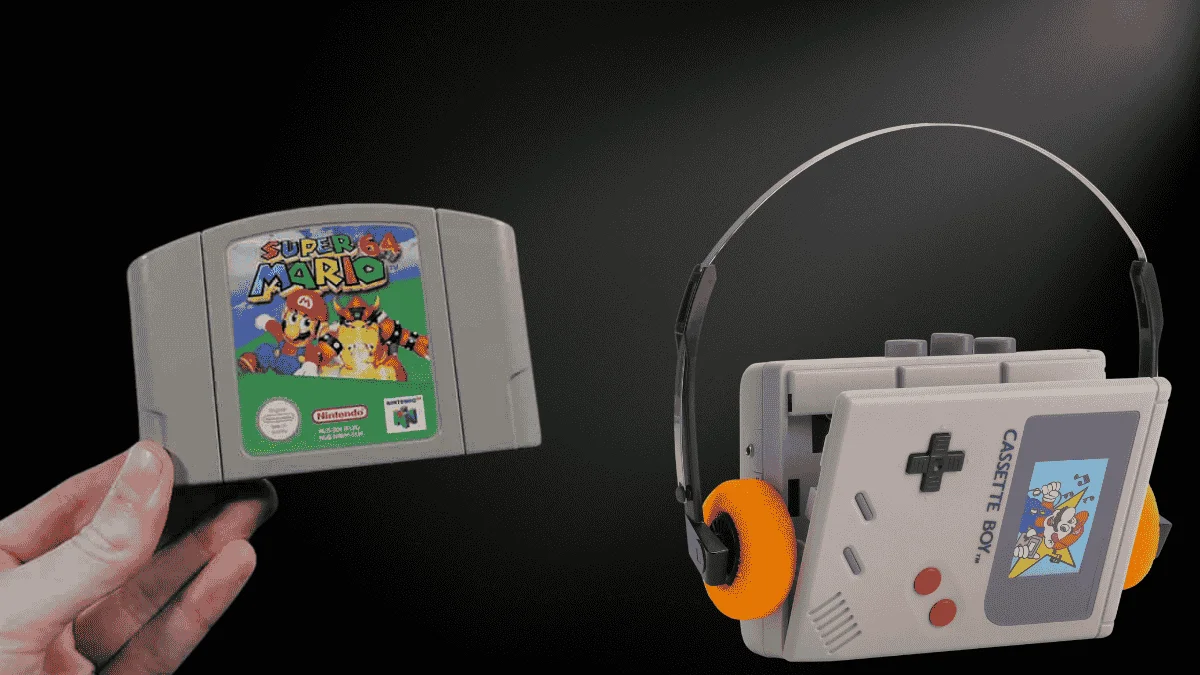
Video games were once just fun toys kept on shelves or stored in boxes. Many people never thought they could become valuable. But today, some old sealed video games are selling for very high prices. What looked like a normal game years ago is now seen as a collectable item.
Collectors, investors, and gaming fans are now paying serious money for rare games. A sealed classic game can sometimes sell for the price of a luxury car. This shift has created a new market where old games are treated like art pieces or vintage collectables.
To understand this market, it is important to learn about video game grading.
Why Old Games Became Valuable
Nostalgia plays a big role. People who grew up playing games now want to own those memories again. At the same time, sealed copies of older games are becoming rare.
When supply is low and demand is high, prices rise. That simple rule applies here too.
Also, collecting culture has changed. Just like comic books, sports cards, or coins, video games are now seen as collectible assets.
What Video Game Grading Means
Grading is a professional process where experts check the condition of a game. After inspection, the game is sealed inside a strong plastic case and given a condition score.
This protects the game from damage and confirms its authenticity.
Grading solves a big problem. Earlier, buying a “mint condition” game online was risky. One seller’s idea of mint could be very different from another’s. Now, a graded score gives a clear standard.
Because of this trust factor, expensive deals have become more common.
Two Major Names in Game Grading
Two companies mainly lead the grading world. Each has its own style and reputation.
Video Game Authority (VGA)
VGA has been around longer. Many collectors trust them because of their strict grading approach.
Their grading system usually uses a 100-point scale. Higher numbers mean better condition.
Collectors who care deeply about preservation often prefer VGA because they believe the grading is consistent and reliable.
Their cases are also known for being strong and durable.
WATA Games
WATA entered the market later but quickly became popular. They focused more on presentation and detailed labels.
Their grading scale is simpler, usually from 1 to 10. They also separate box condition from seal condition, which gives more detailed information.
Auction houses often use WATA graded games. This helped boost their visibility and popularity among investors.
How Collectors Decide Between VGA and WATA
The choice usually depends on the goal.
If someone plans to sell quickly or target big auctions, WATA graded games often get strong attention.
If someone plans long term collecting or wants strict grading credibility, VGA is often preferred.
Neither choice is wrong. It depends on strategy.
Thinking Like a Collector Instead of a Gamer
Gamers care about playing. Collectors care about condition and history.
Once a game is graded and sealed, it is rarely opened again. It becomes a collectible item, not a playable product.
Collectors look at factors like original packaging, print version, and preservation quality.
This shift in thinking is important for anyone entering the market.
What Actually Affects Game Value
Several small details can change a game’s value dramatically.
Seal Condition
Original factory sealing is very important. Fake resealing is common, and grading companies can usually spot it easily.
A damaged seal can reduce value a lot.
Box Corners and Edges
Cardboard boxes damage easily. Even small corner wear can lower the grade.
Crushed edges or visible wear make a big difference in price.
Color Fading
Sunlight can fade box colors over time. Even if the box looks clean, faded print reduces collector appeal.
Many buyers look closely for this issue.
Checking Value Before Grading
Grading is not free. Fees, shipping, and insurance costs can add up.
Before submitting a game, it is smart to check current market prices. If a game sells cheaply in normal condition, grading may not make financial sense.
Only rare or high demand games usually justify grading costs.
Extra Tips for New Collectors
If you are new to game collecting, keep these points in mind:
- Store games in cool, dry places
- Avoid direct sunlight
- Handle boxes carefully
- Research print versions before buying
- Keep proof of purchase if possible
Small habits can protect value over time.
How the Market Is Changing Now
A few years ago, prices rose very fast. Recently, the market has become more stable. This is actually a positive sign.
Collectors are now more careful. They focus on rare or iconic titles instead of buying every sealed game.
Classic popular games still attract strong interest. But common games without demand may not gain much value.
Future of Video Game Collecting
Gaming history is growing every year. More modern games may also become collectibles in the future.
Digital games are popular, but physical copies still hold emotional and collectible value.
This market will likely continue evolving as gaming culture expands.
Also Read: Free Fire Ramadan Cup 2026: 18 Teams And $25K Prize Pool Revealed
