

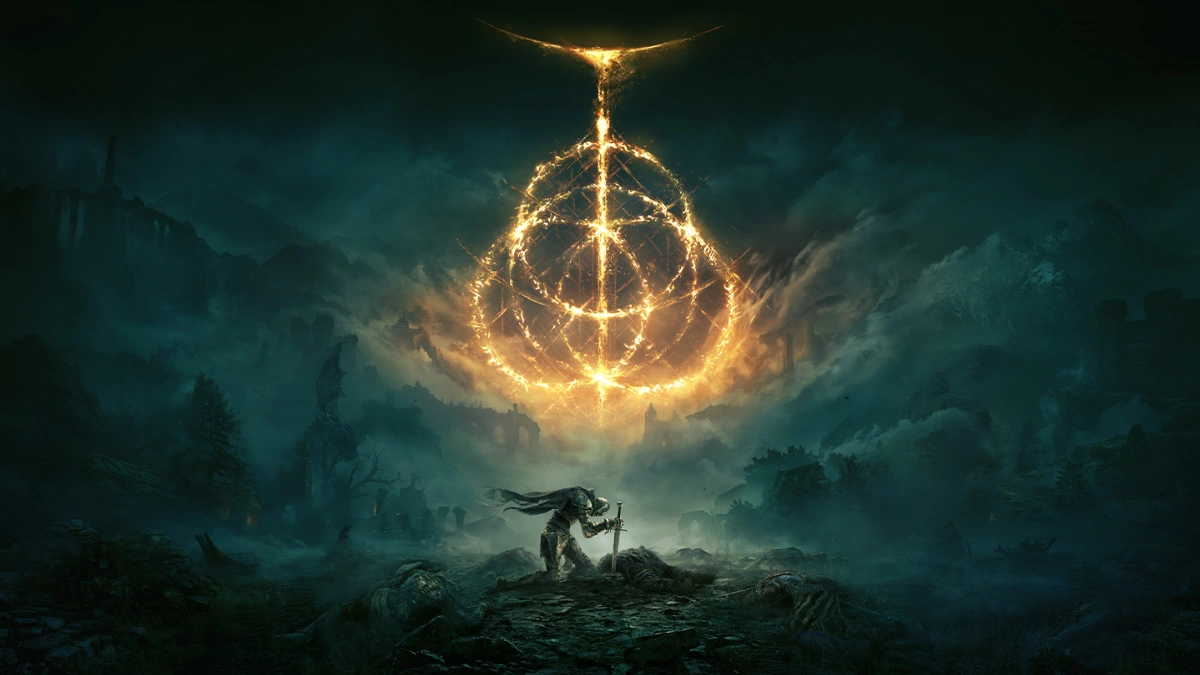
It’s kind of crazy to think Elden Ring is still this relevant in 2026. Most games peak, trend for a while, and then slowly disappear from the conversation. This one didn’t. People are still playing it, still talking about it, and honestly, it still feels better than a lot of newer releases. That usually doesn’t happen unless a game gets the fundamentals right.
A world that rewards curiosity
One thing Elden Ring absolutely nailed is exploration. There’s no pressure telling you where to go every second, and the game doesn’t try to guide you like most modern open-world titles do. You just… wander. And somehow that works. You’ll run into things you weren’t expecting at all random bosses, hidden areas, useful gear and it never feels forced. That sense of “I found this on my own” is what keeps it interesting even now.
Combat that stays satisfying
The combat still holds up, and that’s a big deal. It’s tough, yeah, but not in a frustrating way. When you lose, it usually feels like your mistake, not the game being unfair. And when you finally beat a boss that’s been destroying you for an hour, it actually feels rewarding. The flexibility helps too. You’re not locked into one style you can switch things up depending on what works for you, and that keeps things from getting stale.
A distinct atmosphere
There’s also the overall vibe of the game. It’s quiet, a bit eerie, and doesn’t try too hard to explain itself. You’re left to figure things out, and that makes everything feel more personal. The world design, the music, even the way the story is told it all just clicks in a way that sticks with you.
Why players still return
Even now, people keep going back. Trying different builds, doing challenge runs, or just replaying it for the experience. That says a lot. Elden Ring didn’t just have a strong launch—it managed to stay relevant, and that’s what really makes it a masterpiece.
Also Read: Fireball Roulette Review: Evolution’s New 2,500x Power Game
