

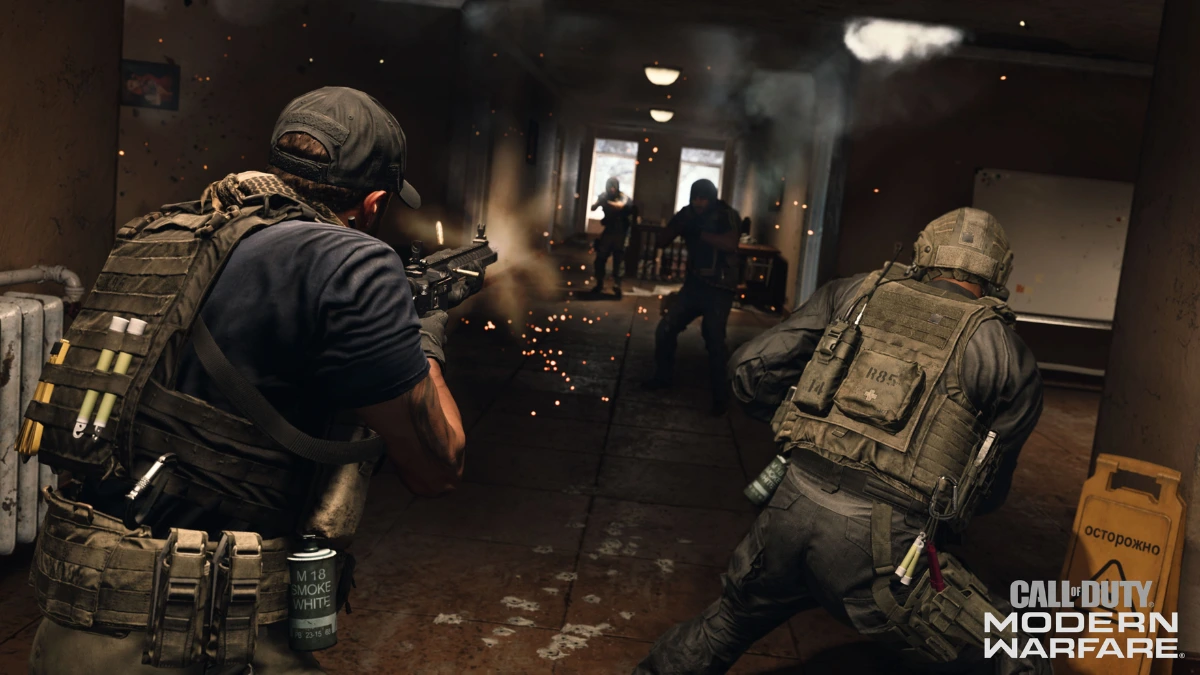
Seven years is a long time in gaming, especially for a franchise like Call of Duty that has built its identity around constant releases and updates. Yet despite newer titles offering improved visuals and more features, players are increasingly returning to an older entry the Call of Duty: Modern Warfare, one many now feel got the balance just right.
This return isn’t driven by nostalgia alone, even if that plays a part. Players revisiting the game are noticing how well the core gameplay still holds up. The multiplayer feels more grounded, with weapon balance that allows different styles to work. There’s less pressure to follow a single dominant meta, and gunfights tend to reward positioning and timing rather than whatever happens to be trending through seasonal updates.
What changed in the series over time
For much of the 2010s, Activision followed a strict annual release cycle for Call of Duty, rotating development between studios. While that approach kept the franchise active, it also led to criticism that some titles felt rushed or overly familiar. Over time, the focus began shifting toward chasing trends instead of refining what already worked.
Call of Duty: Modern Warfare 2019 has now passed 61,000 players on Steam pic.twitter.com/m1TNJ60mx6
— CharlieIntel (@charlieINTEL) March 22, 2026
The company later acknowledged this by stepping away from back-to-back releases within the same sub-series, aiming to give each installment more time. That decision looks even more relevant now, with players actively comparing newer games to older ones and often preferring the latter.
The Call of Duty multiplayer still works, and that’s the point
One of the biggest reasons behind this resurgence is how well-designed multiplayer systems tend to age. While graphics improve over time, gameplay fundamentals like map design, pacing, and consistency don’t lose value if they’re done right.
The older title players are returning to benefits from clear map layouts, predictable time-to-kill, and a progression system that doesn’t rely heavily on microtransactions. It creates a more straightforward experience, where the focus stays on gameplay rather than navigating layers of unlocks and seasonal systems.
The community has also played a role. A dedicated player base has kept the game active, ensuring that lobbies are still populated years after release. That’s not something every Call of Duty title manages, especially in a franchise where each new game tends to pull attention away from the last.
When players go back to a seven-year-old game and find it more enjoyable than recent releases, it says something about the direction the series has taken. Modern entries have leaned heavily into live-service elements and constant content updates, which some players enjoy, but others feel it takes away from the core experience.
With Microsoft now overseeing Activision Blizzard, the bigger question is what comes next. Whether the series returns to a more focused, balanced approach or continues down its current path is something players are watching closely.
Also Read: Starfield PS5 Release Time: Global Launch And New DLC Guide
