

A few years ago, a betting app’s biggest flex was better odds or a bigger welcome bonus. Now it’s who’s standing next to the logo. Across sportsbooks, crypto casinos and the newer prediction market apps, the real competition has quietly moved from product to fame. And the deals keep getting bigger, stranger and more controversial.
In this article we mention the biggest names in the sports betting industry and that they used the biggest celebrities for their campaigns; some are going so viral and some have become so controversial.
Drake and Stake: Where it all started getting loud
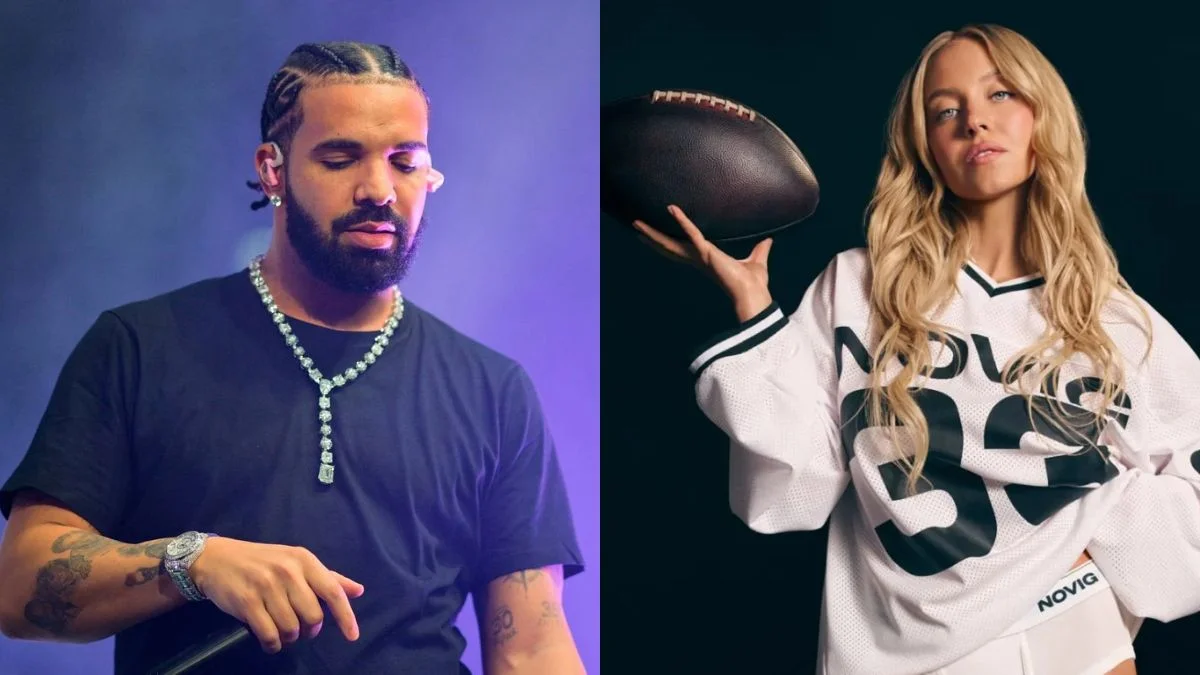
In 2022, Drake became the face of Stake, a crypto casino in a deal worth about $100 million a year. He’d live stream himself gambling, sometimes to millions of viewers, which wasn’t your average advertising campaign and the clips went viral on their own.
drake gotta stop associating his brand to gambling
by
u/weatherinyourarea in
Drizzy
But the relationship has not been a clean one. Drake himself is named in a class-action lawsuit filed in Missouri that describes his role as “quietly corrosive” and accuses him of glamorizing gambling to an audience that includes teenagers. A separate lawsuit out of Virginia goes further, alleging that Drake and streamer Adin Ross gambled with money “provided surreptitiously by Stake” rather than their own meaning the wins fans watched online may not have been a real risk at all.
Apparently, Drake has a 180M deal with Stake, thats why he streams
by u/Silver-Break9832 in Drizzy
Even Drake himself has publicly clashed with the platform. At one point he posted a screenshot on his Instagram Story after Stake blocked several of his withdrawal attempts, asking bluntly, “Is it personal?”
Sydney Sweeney and Novig: The ad everyone’s talking right now
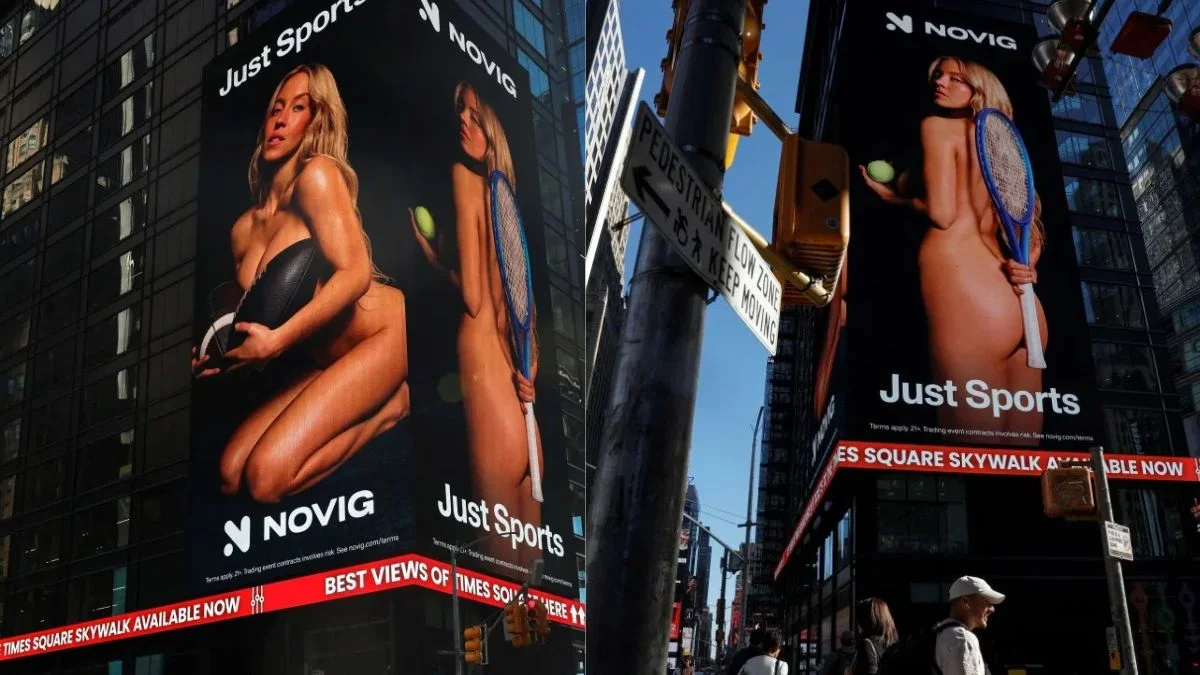
If Drake’s deal was a slow-burn, Sydney Sweeney’s Novig campaign blew up overnight. In a 60-second ad called “Just Sports,” Sweeney is nearly nude, using footballs, hockey pads and a basketball goal to cover herself as she explains that Novig, unlike rivals Kalshi and Polymarket, only allows people to trade on outcomes of sports matches, not politics or world events.
The ad reached tens of millions of views within days. And Sweeney is not just the face of it either, she’s an equity holder and strategic partner in the company and has said she wanted to be involved in the business itself, not just lend her face to it.
The reaction was a hard split down the middle. Female athletes responded publicly. Australian surfer Felicity Palmateer said the campaign had been “very damaging,” particularly for young girls coming into sport. But British sprinter Amy Hunt took a shot at Novig during a post-race live TV interview, without even mentioning the athlete by name: “Sydney Sweeney, this is what women in sport look like. Muscles. Hard work.”
‘Sydney Sweeney’s Ad Disrespects Every Woman’: Female Athletes Slam Sexualised Sports Campaign
by
u/Guyentertainment in
entertainment
Criticism on social media grew more pointed. “Women in sports are not taken seriously and that is exactly why,” one commentor said, while another called the ad “setting women back 100 years.” Others focused on the double standard, with one popular comment noting how quickly platforms take down swimwear photos of regular users but leave up a fully commercial nude ad.
But not everybody hated it. Novig’s own CEO Jacob Fortinsky admitted the goal was simply to get people talking. By that metric, it worked. Some viewers even said it was the first commercial they’d ever gone out of their way to seek out.
Sydney Sweeney's nude ad for Novig has drawn big backlash for sexualizing women with sports.
Novig CEO Jacob Fortinsky says her ad wasn't meant to portray women's sports—just the essence of Novig's focus on sports. pic.twitter.com/dMspLzm25R
— Front Office Sports (@FOS) September 15, 2026
Kalshi’s Different Playbook: chase the world Cup, not the controversy
Novig was looking for shock value, but Kalshi went other way, signing football royalty. Kalshi has appointed Luka Modric as a global ambassador for the 2026 World Cup and has signed a direct partnership with the Croatian Football Federation.
One step ahead @Kalshi pic.twitter.com/UZ3y1vQQZh
— Luka Modrić (@lukamodric10) June 15, 2026
The partnership with the Argentine soccer federation was then capped off by none other than Lionel Messi himself posting about Kalshi on his own Instagram account, which has hundreds of millions of followers.
Kalshi also signed golfer Bryson DeChambeau as its first athlete ambassador and ran one weird, artsy ad series with Timothee Chalamet, one where he mumbles word “Kalshi” in a dentist’s chair, with no mention of trading or betting at all. It was noticed, but not universally loved. Some of Chalamet’s own fans were online asking aloud why he’d sign on for it.
The old guard is still spending big, just more quietly
The traditional sportsbooks haven’t been sitting this one out as well. BetMGM has traded in its high-energy Jamie Foxx era for a new “Make it Legendary” campaign with Jon Hamm and Vanessa Hudgens, Derek Jeter and Wayne Gretzky. DraftKings, with LeBron James, Kevin Hart and Shaquille O’Neal: FanDuel has Rob Gronkowski, Charles Barkley, Jennifer Coolidge. Gordon Ramsay at the Caesars Sportsbook. Kendall Jenner has signed with Fanatics. Novig’s viral ad was met with a star-studded video of its own from Polymarket, featuring LeBron James, Derek Jeter and Emily Ratajkowski.
But does any of this actually work?
Here’s the part that should give marketers pause. The gaming industry invested about $520 million in celebrity and athlete partnerships last year, according to 5WPR’s Gaming Trust Index. But the same research found that celebrity endorsements do not really change whether people actually trust a betting or trading platform. The face is remembered by people. But that doesn’t mean they buy into the product.
One counterpoint worth noting: a YouGov survey found that 42% of monthly gamblers say they do form a more positive impression of a brand because of celebrity advertising so it’s not that star power does nothing, it’s that “attention” and “trust” seem to be two very different things.
The bigger picture
What’s going on now is not really about gambling or prediction markets per se. This is a case study of how attention itself has become the product. Whatever the reaction whether it’s admiration, backlash or outright controversy is still a win in the eyes of the algorithm. The question is how long that strategy lasts when novelty wears off and whether platforms pay a price in trust for what they received in visibility.
Also Read: Emotional Gambling: Why Feelings Make You Chase Losses
