

Everything You Need to Know About Playing Single Dummy Bridge
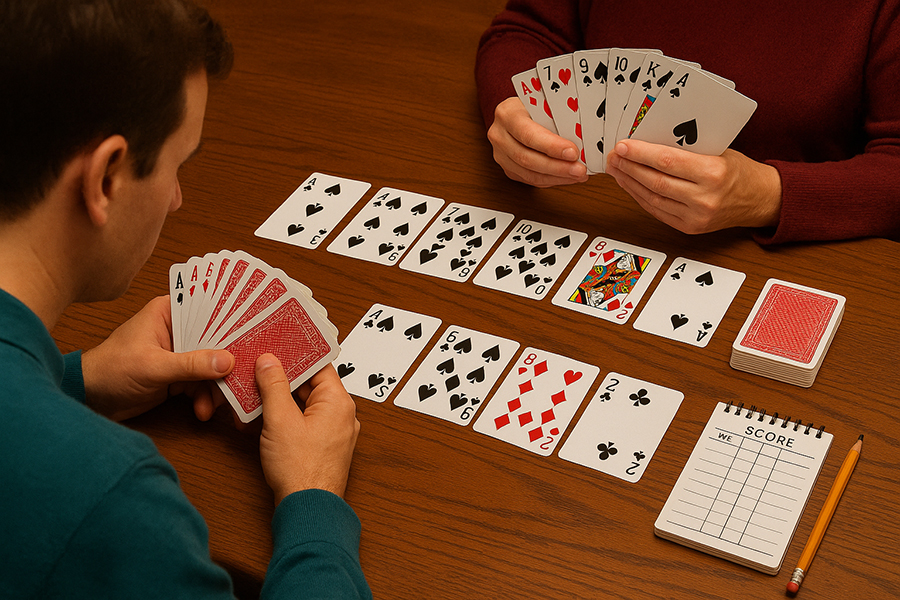
Single Dummy Bridge is a thrilling, two-player card game based on the popular Bridge. Unlike traditional Bridge, where four players compete, Single Dummy Bridge simplifies the gameplay by reducing the number of players to two, allowing for a faster and more tactical game. If you’re looking for a card game that’s easy to learn but tough to master, this one’s for you. Here’s your ultimate guide to mastering Single Dummy Bridge, from setup to scoring and everything in between.
What Is Single Dummy Bridge?
Single Dummy Bridge is a variation of the classic Bridge game designed for two players. The game revolves around skillful bidding, clever strategy, and winning tricks. A round is played until one player reaches a set target score, making it an exciting and competitive game. Whether you’re a novice or experienced player, Single Dummy Bridge offers plenty of opportunities to showcase your strategic thinking.
Essential Requirements to Play
Before you dive into the game, make sure you have the following:
A standard 52-card deck
Two players
A pen and paper for keeping score
A target score (agreed upon by both players) to decide the winner, usually 200 or 500 points
Once you’re all set, it’s time to get started!
Setting Up the Game
Here’s how to set up Single Dummy Bridge:
Select the Dealer: One player is chosen to deal the cards. After the first round, players alternate dealing.
Deal the Cards: Each player gets a hand of 13 cards. The dealer then places a dummy hand (the “dummy” being the cards of the opponent) face-up on the table.
Arrange the Hands: The players can only look at their own hand, while the dummy hand is visible to both players. The real twist here is that the dealer gets to control both their own hand and the dummy hand.
Bidding: Once the cards are dealt, the bidding phase begins, with players declaring how many tricks they think they can win.
Understanding Card and Suit Rankings
Single Dummy Bridge follows the standard card rankings used in Bridge:
Ace (high) → 2 (low)
But what about the suits? They rank in a specific order:
No Trumps (highest)
Spades
Hearts
Diamonds
Clubs (lowest)
These suit rankings matter when it comes to the bidding phase, as the trump suit can greatly affect the outcome of the round.
The Bidding Process
The bidding phase is one of the most exciting parts of Single Dummy Bridge. Here’s how it works:
Bidding Turns: Players take turns bidding on how many tricks they think they can win over 6 tricks. The first bid must be at least 1, meaning the player commits to winning at least 7 tricks (out of 13).
Passing: Players can choose to pass, which means they don’t want to make a bid. If both players pass consecutively, the round is canceled.
Doubling and Redoubling: A player can double their opponent’s bid to increase the stakes. If a bid is doubled, the score is multiplied by 2. If the bid is redoubled, the multiplier increases to 4.
Determining the Trump Suit: The last player to make a bid wins the auction and decides the trump suit for the round (if any). No trump means there’s no trump suit for that hand, while the trump suit overpowers other suits during play.
Playing the Tricks
Once the bidding concludes, the trick-playing phase begins. This is where your skillful strategies come into play. Here’s how you’ll proceed:
The Lead: The non-dealer leads the first card. Both players must follow the suit if they can. If they cannot follow the suit, they are allowed to play any card.
Winning the Trick: The highest card in the lead suit wins the trick, or if a trump card is played, the highest trump wins.
Control of Hands: In Single Dummy Bridge, both players have control over two hands—their own and the dummy’s hand. This adds a unique layer of strategy, as players must plan their moves carefully, keeping in mind both hands.
Scoring the Round
After all 13 tricks are played, it’s time to tally up the points:
Meeting the Bid: If the bidding player meets their promised tricks, they score the following:
30 points for each extra trick in Spades or Hearts
20 points for each extra trick in Diamonds or Clubs
40 points for the first extra trick in No Trumps, and 30 points for each additional trick
Doubling and Redoubling: If the bid was doubled, multiply the score by 2. If it was redoubled, multiply by 4.
Failure to Meet the Bid: If the player fails to meet their bid, they score nothing for that round.
Winning the Game
The game continues with new rounds and deals until one player reaches the agreed-upon target score (e.g., 200 or 500 points). The player with the highest score at the end of the game is declared the winner.
Why Play Single Dummy Bridge?
Single Dummy Bridge is a fantastic variation for anyone who loves a mix of strategy, luck, and competition. It provides players with the opportunity to think ahead, control two hands, and manage tricky decisions. Plus, it’s quick and straightforward, making it an excellent option for both casual players and those seeking more intense card-game experiences.
Also Read: Lithuania Bans Gambling Ads: Full Prohibition By 2028
