

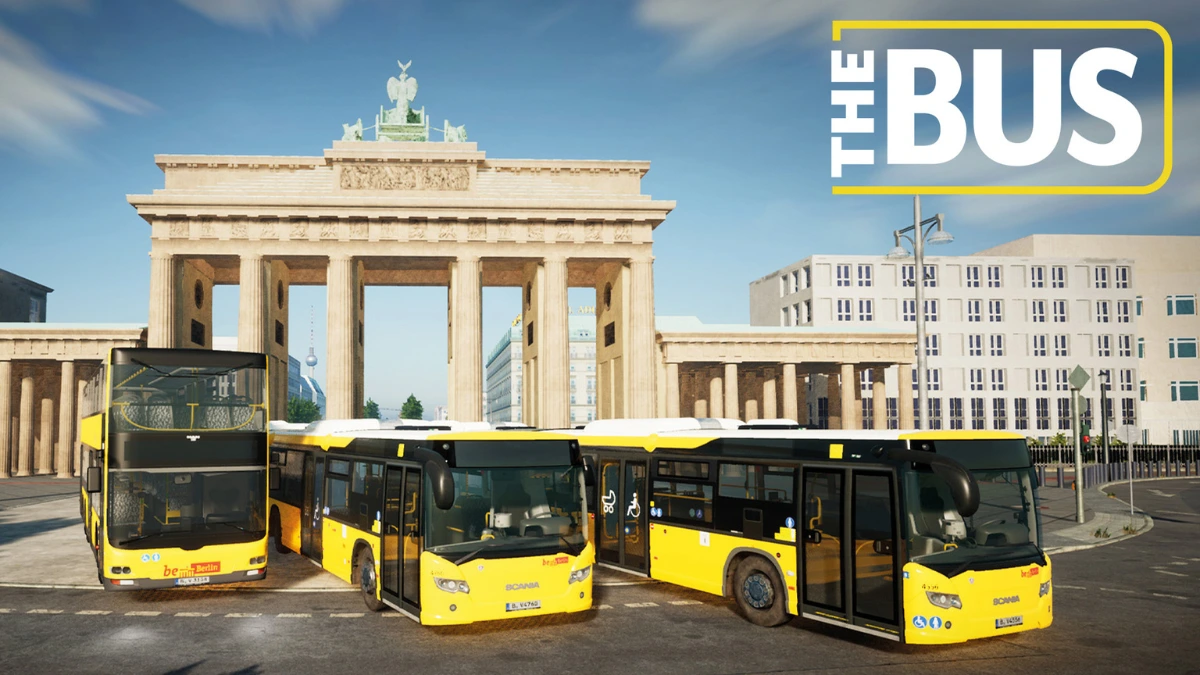
A few years ago, bus simulator games were mostly treated like a joke online. People would see screenshots of someone carefully parking a bus or checking virtual tickets and wonder who would actually spend hours doing that instead of playing shooters, sports games, or racing titles. Now, those same games are quietly becoming one of the biggest surprise hits of 2026.
Bus simulators have exploded in popularity this year, with players sinking huge amounts of time into games like The Bus and Bus Bound. What once felt like a tiny niche corner of gaming suddenly has a growing audience filled with casual players, simulation fans, and even streamers who never touched the genre before.
Part of the appeal comes from how different these games feel compared to most modern releases. Instead of nonstop action and chaos, bus simulators slow everything down. You are expected to follow traffic laws, stay on schedule, stop properly for passengers, and drive carefully through crowded streets without crashing into parked cars or running red lights. Oddly enough, that routine is exactly why people are enjoying them so much.
Bus simulators are apparently the the hottest new games of 2026 https://t.co/2ncty7BBlk pic.twitter.com/PAlVlC4XlG
— Polygon (@Polygon) May 10, 2026
Why Games Like The Bus and Bus Bound Are Suddenly Everywhere
The Bus has become especially popular among players looking for realism. The game recreates Berlin in impressive detail and treats bus driving seriously from the moment you start playing. Vehicles feel heavy, roads are narrow, and even small mistakes can damage your bus and cost money.
The game also goes deeper than simply driving from stop to stop. Players eventually build and manage their own transport company, hire drivers, and expand routes across the city. That management aspect has helped keep players invested for long periods, even if the game still suffers from technical issues and performance problems at times.
Bus Bound takes a more relaxed approach. Set in the fictional city of Emberville, it focuses less on realism and more on accessibility and progression. Instead of worrying about tickets and finances, players earn approval ratings from passengers depending on how smoothly they drive and how efficiently they complete routes.
That system makes it easier to jump into, especially for newer players who might find hardcore simulators intimidating. The city also changes over time as districts improve and new areas unlock, giving players a constant sense of progress while exploring the map.
Neither game is perfect, though. NPC behavior in both titles can still look strange, with passengers clipping through objects, spinning randomly, or disappearing moments after leaving the bus. Some events that are supposed to feel dynamic also become repetitive after a while. But strangely, those awkward moments have almost become part of the charm for many players online.
The growing popularity of these games also says a lot about where gaming is heading in general. Not every player wants constant competition anymore. A lot of people are looking for slower experiences they can relax with after a long day, and bus simulators fit that perfectly.
That is also why there is already excitement surrounding Simulator 27 before it even releases. The upcoming title promises larger maps inspired by southern Europe, officially licensed buses from major manufacturers, and more freedom to explore outside the vehicle itself.
Whether it lives up to expectations remains to be seen, but one thing is already clear bus simulators are no longer just a weird niche genre hidden on Steam. In 2026, they have become one of gaming’s most unexpected success stories.
Also Read: Port Priority DX: Melee Joins Seattle’s Massive Smash Major
