

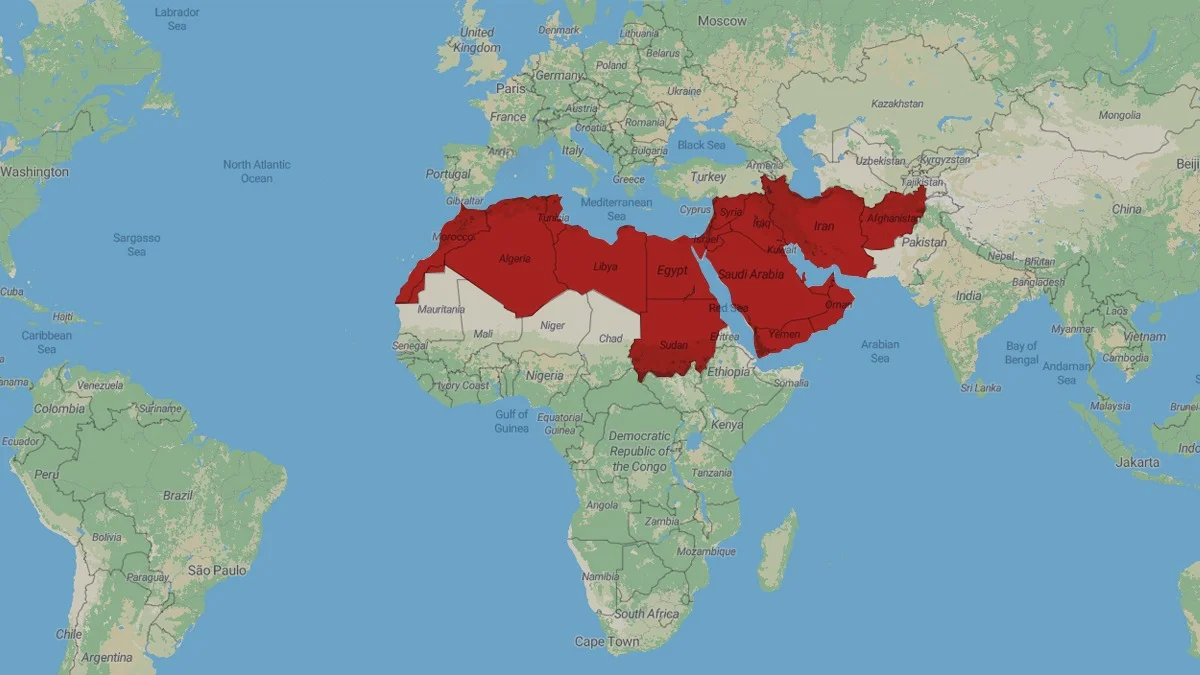
SBC Summit Rio 2026: In early March 2026, global travel has been disrupted on a massive scale because several Middle Eastern countries have closed their airspace and suspended flights due to escalating conflict involving the United States, Israel, and Iran. Countries including the United Arab Emirates (UAE), Qatar, Kuwait, Bahrain, Iraq, and Iran have restricted commercial flights after missile and drone attacks targeted key airports and transit airspace. This widespread disruption has affected thousands of passengers and major global business events that rely on stable international travel networks.
One such event is the SBC Summit Rio 2026, scheduled to take place in Rio de Janeiro, Brazil. This summit is a big date on the sports betting, iGaming, and affiliate marketing calendar, bringing together industry leaders, operators, media companies, and affiliates from around the world.
Today we explain what SBC Summit Rio is, why it is important, how current air travel problems are affecting attendees, especially those coming from Asia, Europe, and Africa and what travellers should consider before planning their trip.
What Is SBC Summit Rio 2026 and Why It Matters
The SBC Summit is one of the largest global events focused on sports betting, gaming, media, and affiliate marketing. Each year it attracts thousands of professionals, including operators, brand owners, investors, tech innovators, and marketing leaders.
The Rio 2026 edition promises:
- Keynotes from global gaming executives
- Sports betting and digital gambling workshops
- Networking sessions with top brands and affiliates
- Expo halls showcasing the latest tech and products
The event is especially important because:
- It unites both the American and global iGaming markets in one location.
- It opens opportunities for partnerships across continents.
- It provides live experiences and deal-making chances that virtual events cannot match.
Because Louis Vuitton, Itaú, and major suppliers often participate, it’s seen as essential for anyone serious about gaming and betting industry growth.
Current Flight Disruptions Explained
Right now, major Middle Eastern airports and airspace routes are affected by ongoing conflict:
- Dubai International Airport (UAE) closed or operating limited flights
- Abu Dhabi’s Zayed Airport (UAE) facing shutdowns
- Hamad International Airport (Doha, Qatar) partially restricted
- Airspace over Kuwait, Iran, Iraq, and Bahrain mostly closed
These closures force airlines to either cancel flights or reroute them through longer, less direct paths to avoid the region. Because Gulf carriers such as Emirates, Etihad, and Qatar Airways are major transit operators between Asia, Africa, Europe, and the Americas, the disruptions affect routes worldwide. Many passengers now find flights cancelled, delayed for hours, changed to alternate routes, or significantly more expensive.
How This Affects Travelers Heading to SBC Summit Rio
As SBC Summit Rio 2026 is in Rio de Janeiro, Brazil, international travelers from Asia, Africa, Europe, and the Middle East often rely on long-haul flights via connecting hubs in:
- Dubai or Abu Dhabi (Middle East)
- Europe (London, Frankfurt, Amsterdam)
- North America (Miami, New York)
With Middle Eastern transit hubs disrupted, travelers face three major problems:
1. Connecting Flights Are Harder to Reach
Many flights from Asia or Africa to Brazil normally connect through UAE hubs because of efficient routing and competitive pricing. Now:
- Flights through Dubai, Abu Dhabi, or Doha may be canceled.
- Passengers must search for alternative routes through Europe or the US.
- Some may need two or even three connections, adding time and cost.
This makes the journey much longer and more complex.
2. Major Delays and Cancellations
Even airports that are still operating face overcrowding because:
- Airlines are rerouting traffic
- Air traffic control restrictions increase congestion
- Fewer available flight slots lead to time delays
Passengers flying from Asia (like Singapore, Bangkok, Malaysia) may see cancellations or long delays when their flights attempt to connect through Europe or North America instead of the Middle East.
3. Ticket Prices Could Rise
Because available flights are now limited:
- Demand for alternative routes like via Europe or US hubs is higher
- Airlines may raise prices or sell out fast
- Some passengers may have no choice but to pay extra for last-minute seats
These added costs hit business travelers and exhibitors who already budgeted for conference travel.
What Attendees Should Do Now
If you plan to attend SBC Summit Rio 2026, consider these steps:
Check Your Booking Regularly
Flight statuses can change quickly. Visit official airline websites for real-time updates instead of third-party apps.
Explore Alternate Routes Early
If flights through Dubai or other Middle Eastern hubs are disrupted, look at flights via:
- Europe (Paris, Amsterdam, Madrid)
- US hubs (New York, Miami)
- African hubs (Cape Town, Johannesburg)
Sometimes alternate routes cost more, but they may be the only way to reach Rio on time.
Contact Airlines or Travel Agents
Airlines may offer:
- Rebooking options on alternate routes
- Refunds if flights are canceled
Contact sooner rather than later to secure better options.
Allow Extra Time Between Connections
Extra layover time can reduce risk of missed connections if earlier flights are delayed.
Is the Situation Likely to Improve Soon?
At the moment, there is no announced date for full resumption of Middle Eastern airspace. This depends on the progress of diplomatic efforts and the easing of regional conflict involving US, Israel, and Iran, as well as related tensions affecting the Gulf. Even if airspace reopens, schedules may take days or weeks to return to normal.
This means travel uncertainty could extend through March and April 2026.
Also Read: How Asia’s Travel Chaos Is Impacting SiGMA Africa 2026
