

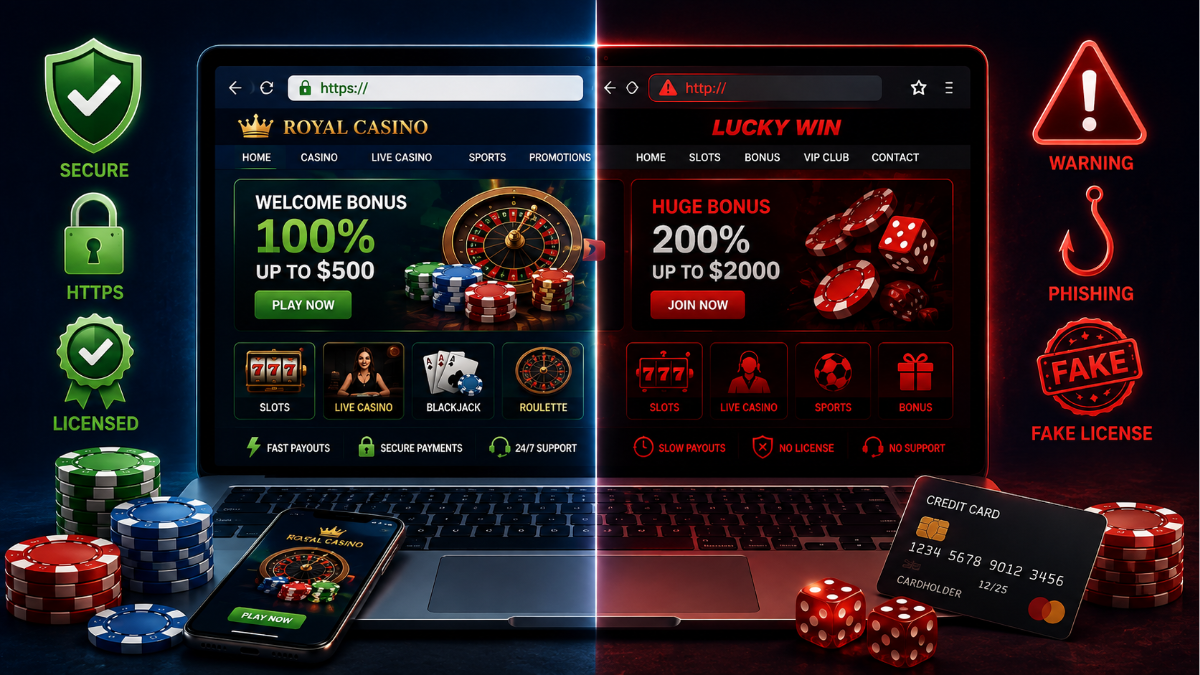
Whether you enjoy real-money slots, live dealer blackjack, or sports betting, online gambling should be an enjoyable form of entertainment. However, with thousands of platforms available, identifying an unsafe online casino isn’t always easy. Fraudulent operators often use misleading promotions, fake licenses, cloned websites, and unfair payment practices to target unsuspecting players.
Players can encounter serious issues, including stolen financial information, frozen balances, rigged software, delayed withdrawals, and spoofed apps that imitate legitimate casino brands. Without proper research, a simple deposit can quickly turn into identity theft or financial loss.
This step-by-step checklist highlights 25 red flags of an unsafe online casino to help you identify scam gambling sites before depositing money and choose licensed, trustworthy operators instead.
25 Red Flags of an Unsafe Online Casino: Checklist Overview
| Phase | Focus Area | Red Flags Covered |
| 1 | Technical & Website Security | URLs, phishing, fake apps, HTTPS, domain quality |
| 2 | Licensing & Transparency | License, ownership, software providers, RNG audits |
| 3 | Bonuses & Terms | Welcome offers, wagering requirements, misleading promotions |
| 4 | Banking & Withdrawals | Cashouts, fees, KYC, player funds |
| 5 | Support & Reputation | Customer support, privacy, reviews |
Must Read: Slots Strategy: How RTP and Volatility Actually Work in Online Slots
Phase 1: Technical & Access Warning Signs (First Contact)
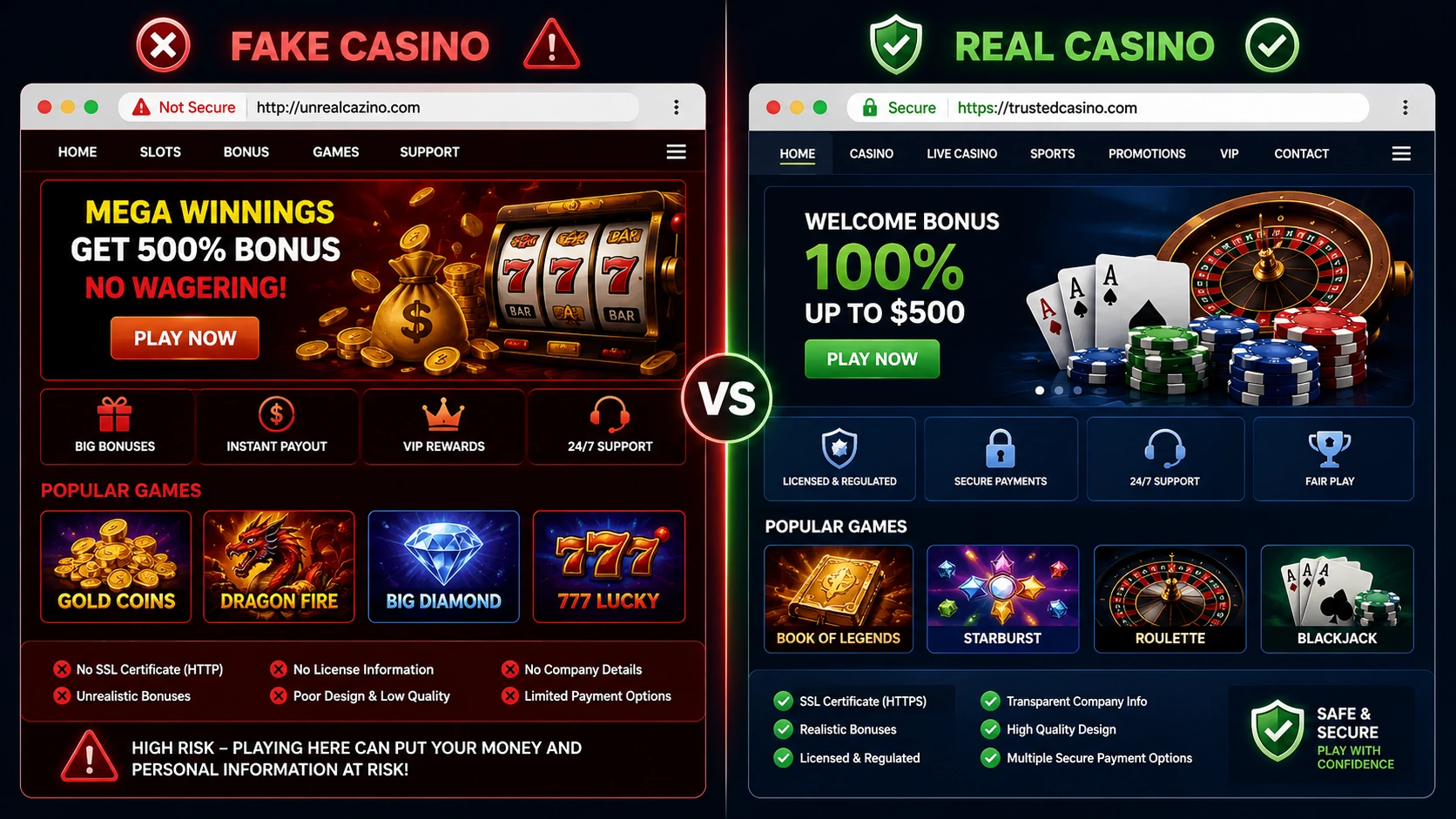
1. Misleading URLs and Spoofed Web Domains
Most players don’t look for an operator’s regulatory credentials; they click a link. “Typosquatting” is a trick commonly used by scammers to trick unwitting visitors who type in misspelled URLs for popular casino sites. Double-check the domain name in the browser address bar before trying to log in.
2. Phishing Messages via Email, SMS, or WhatsApp
If you receive an unsolicited e-mail with direct links to “exclusive bonuses” or “account verification requests,” be extremely cautious. Email, SMS, and mobile messaging apps like WhatsApp offer opportunities to click on link that are sent from untrusted sources, which can then run malicious content and install spyware on your device that will steal passwords you’ve stored on it.
3. Unregistered or Unverified “Clone Apps”
The unofficial platforms often entice users to download third-party iOS profiles or Android APK files, rather than download apps from official platforms. These clone applications mimic real brand designs, but mainly to steal your banking particulars when making a deposit.
4. Invalid Encryption and Insecure Websites
If a site is still using outdated HTTP protocols or requires you to accept “browser security warnings” because invalid certificates are used for TLS/SSL security, never submit personal information. With modern data encryption, your payment details are not exposed to be intercepted on public networks.
5. Very New Domains and Poor Technical Build
See the date of the Casino’s domain registration. Bad actors frequently create a temporary website, operate it for a couple of weeks until they’ve got the money, and then close it when it gets negative reviews. If you notice broken links, bad translations of the text, or broken buttons, it’s probably a quick-and-easy scam operation.
Phase 2: Regulatory & Ownership Transparency
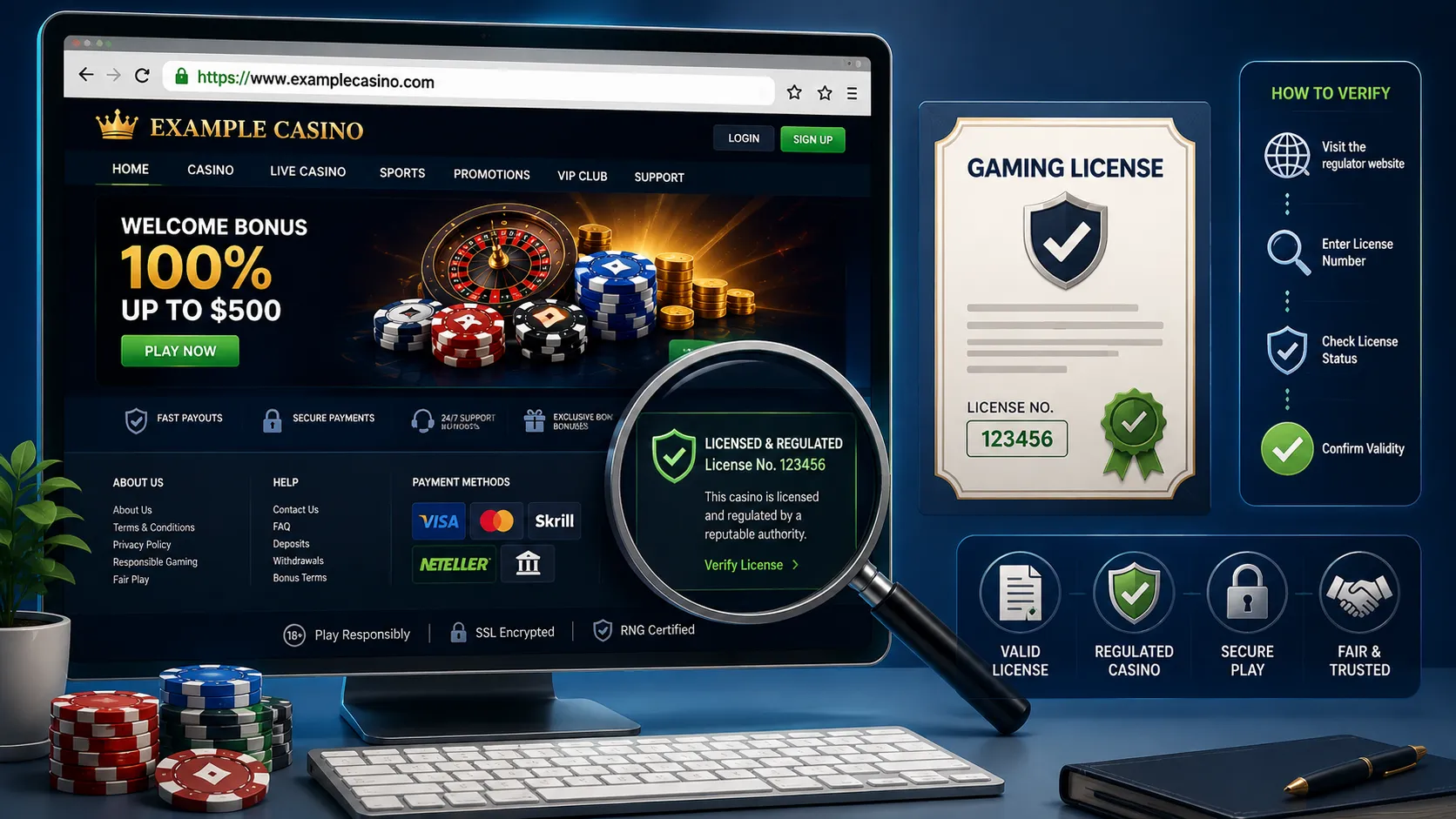
6. Missing, Fake or Static Licensing Badges
Legitimate online casinos display a valid license issued by a recognized gambling regulator. While the UK Gambling Commission (UKGC) and the Malta Gaming Authority (MGA) are among the most respected licensing bodies, players may also encounter licenses issued by the Gibraltar Regulatory Authority (GRA), Isle of Man Gambling Supervision Commission, Alderney Gambling Control Commission (AGCC), Kahnawake Gaming Commission, Government of Curacao, and the Alcohol and Gaming Commission of Ontario (AGCO).
7. Anonymous Ownership/Hidden Corporate Identity
A reputable online casino will contain the name of the parent company, a real address for the company, and an executive team listed in the footer or “About Us” section. When a platform is completely anonymous, with no identifiable business entity, it will be difficult to find a solution to a dispute or to get back money if it goes out of business.
8. Absence of Recognized Game Software Suppliers
A respectable game-building studio will only supply its video games to a fully licensed casino, like NetEnt, Microgaming, or Pragmatic Play. The primitive or altered versions of popular slot machine games, or no game logos, will suggest that the online gaming lobby is using pirated software to alter payouts.
9. Absence of Independent Testing Certificates
To ensure fair play, the operators are regularly audited by an accredited testing lab such as eCOGRA, iTech Labs, or Gaming Labs International (GLI). These agencies can confirm that the Random Number Generators (RNGs) are unbiased. House edge could also be tampered with on a site that does not have verifiable auditing certificates.
10. Not using Responsible Gambling Tools
Legally licensed platforms must offer player protection tools like session timers, loss limits, limits on deposits, and self-exclusion options. A complete lack of these controls indicates disregard of consumer welfare and compliance with regulations.
Phase 3: Unfair Terms & Predatory Promotions
11. “Too Good to Be True” Welcome Bonuses
Players are lured by outrageous offers from scam sites such as a ‘500% match with no limits’. These offers often lock up both your deposit and bonus funds that you invest and the bonus amount too, in a manner that you can’t get any money until unrealistic conditions are fulfilled.
12. Predatory Wagering Requirements
Read the promotional terms and conditions carefully. A 100x wagering requirement on the combined deposit and bonus makes it improbable that a player will ever cash out for a winning payout. Fair operators ensure that playthrough requirements are known and attainable.
13. Guaranteed Earnings or Win Claims
Gambling is a game of mathematics, and no real gambling site will ever promise you “guaranteed returns” or “risk-free profits” or “foolproof winning strategies. These statements are false, misleading, and prohibited by international consumer protection legislation.
14. Change of Terms and Conditions (Retroactive)
Unfair platforms may at any time, and for any reason, change their terms without notice. If a casino alters its payout percentages, terms and conditions, and/or eligibility criteria after you put down your money, it’s predatory tactics to not pay your winnings.
15. Ambiguous VIP and Loyalty Schemes
There are legitimate loyalty programs with clear reward structures, but there are predatory programs that lure high-volume spenders by having unclear point conversion rates and setting up hidden traps that never actually provide the rewards or cashback that are advertised.
Phase 4: Financial Traps & Cashout Roadblocks
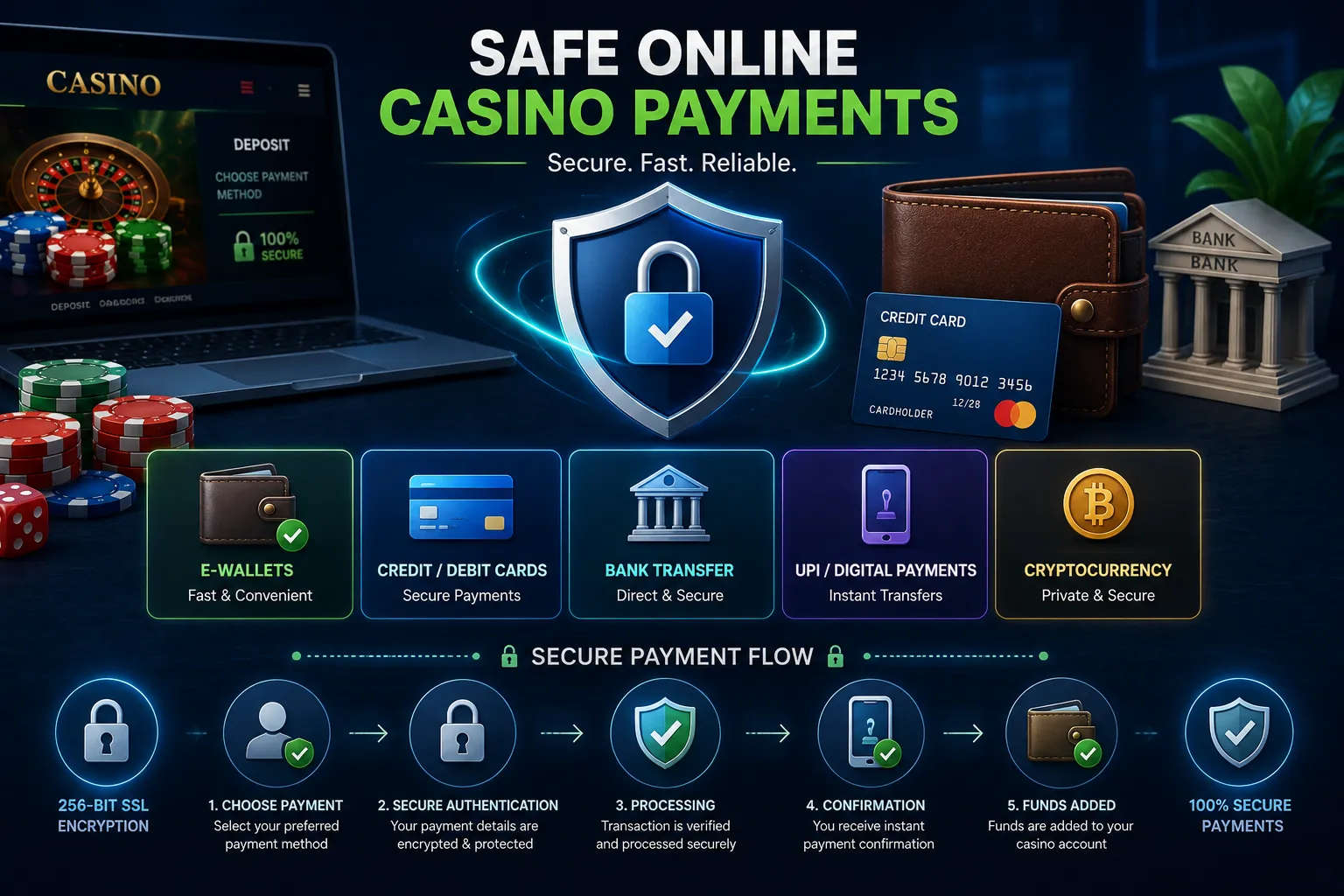
16. Unreasonably High Minimum Withdrawal Thresholds
If they make the minimum cashout limit too high (e.g., $500), then players not wanting to bet much are forced to continue wagering until they inevitably lose them all to the house.
17. Maximum Payout Cap on Real Money Wins
The maximum winnings on free “no deposit” promotions are common, but limits on real money bets’ payouts are a big red flag. On regular wagers, safe operators will provide full, unadjusted payouts.
18. Delayed Withdrawal Processing Times
If a standard cash-out takes weeks or months to be processed without any reason given, the casino may have serious liquidity issues or may be trying to stall the payment to make you think it’s worth keeping playing with the money you haven’t cashed out yet.
19. Hidden Transaction and Withdrawal Fees
When processing fees are hidden in deposit or cash out, it’s a money drain. A reputable site will list out explicitly how they take payments (and any payment fees) before you open your wallet.
20. Weaponized Identity Checks (KYC Exploitation)
Anti-money laundering compliance includes Know Your Customer (KYC) checks that are standard practice, but predatory operators try to intentionally delay this process. They let you deposit without hassle, but only if you ask for a cashout do you have to deal with all of the notary paperwork, hoping that you’ll quit and stop investing your money.
21. No Segregation of Player Funds
Professional operators keep customer funds in separate bank accounts from the funds of the operation company. Players’ money in unsecured casinos can be lost if the company goes bankrupt or becomes insolvent.
Phase 5: Support, Marketing, & Brand Relationships
22. No Customer Support or Customer Support is Inactive
The online casino should also have a well-designed customer support system that is easily accessible, such as live chat, ticketing, or email. If there are links to empty pages or non-contactable contact forms, getting help when the payment is disputed will be nearly impossible.
23. Dependence on Unhelpful Automated Bots
If support is only through a basic automated chatbot that repeatedly goes through the same questions, there is no chance to arrange for progression to a human agent, and it is likely to be a deliberate strategy to avoid addressing balance and withdrawal issues.
24. Unauthorized Use of Your Information
Your personal information might be compromised if you are receiving aggressive SMS, email, or direct messaging promotions without having subscribed to them.
25. Widespread Negative Reviews and Blacklist Status
Do research on independent player forums, search watchdog databases, and industry review sites before depositing. If the casino keeps getting complaints about non-payment, voided winnings, or the suspension of an account, it is a pretty good sign of an operator to be avoided.
Unsafe Online Casino: Red Flags at a Glance
| Red Flag Category | What to Check |
| Website Security | HTTPS, valid SSL certificate, genuine domain name |
| Licensing | Active license from a recognized regulator |
| Ownership | Company details and contact information |
| Game Fairness | RNG testing and independent audits |
| Bonuses | Fair wagering requirements and transparent terms |
| Banking | Clear withdrawal rules and no hidden fees |
| Customer Support | Responsive live chat or email support |
| Responsible Gambling | Deposit limits, self-exclusion, and reality checks |
| Reputation | Independent reviews and player complaints |
Consumer Protection Summary: Safe Banking Checklist
Before making your first deposit at any online casino, take a few minutes to complete these essential safety checks:
- Check the Web Address: Make sure you’re visiting the official website and not a cloned or phishing page. Avoid clicking casino links received through unsolicited emails, SMS messages, or messaging apps.
- Verify the License: Scroll to the website footer and locate the casino’s licensing information. Reputable operators are typically licensed by recognized regulators such as the UK Gambling Commission (UKGC), Malta Gaming Authority (MGA), Alcohol and Gaming Commission of Ontario (AGCO), Gibraltar Regulatory Authority (GRA), Alderney Gambling Control Commission (AGCC), Isle of Man Gambling Supervision Commission, Kahnawake Gaming Commission, or other recognized authorities. Always verify that the license is active by checking the regulator’s official website. The appropriate licensing authority may vary depending on your country or region.
- Review the Banking Rules: Before providing your payment details, check the minimum withdrawal amount, withdrawal processing times, payment methods, transaction fees, and any bonus terms that could affect your ability to cash out.
Following this simple checklist can significantly reduce the risk of falling victim to scam casinos. Taking a few minutes to verify a casino’s legitimacy before depositing can help protect your personal information, financial details, and gambling funds.
Quick Safety Checklist Before You Deposit
| Question | Safe Answer |
| Is the casino licensed? | Yes |
| Does the website use HTTPS? | Yes |
| Are withdrawal rules clearly explained? | Yes |
| Can you verify the company details? | Yes |
| Are responsible gambling tools available? | Yes |
| Is customer support responsive? | Yes |
| Are there many unresolved complaints online? | No |
Final Thoughts
Online casinos can offer a safe and enjoyable gaming experience, but only when you choose a licensed and transparent operator. Taking a few minutes to verify a casino’s license, payment policies, ownership details, and responsible gambling tools can help you avoid financial loss and identity theft.
Before making your first deposit, treat every casino like any other financial service. Verify its credentials, read the terms carefully, and never rely solely on attractive bonuses or promotional claims. A little research today can save you from costly mistakes tomorrow.
Frequently Asked Questions (FAQs)
1. How can I spot an unsafe online casino?
An unsafe online casino often displays multiple warning signs, such as missing or fake gambling licenses, unrealistic bonus offers, hidden ownership details, delayed withdrawals, poor customer support, and negative player reviews. Before making a deposit, verify the casino’s license, review its terms and conditions, and ensure the website uses a secure HTTPS connection.
2. How do I verify a casino’s license?
Most legitimate online casinos display their licensing information in the website footer. Click the regulator’s logo or note the license number, then visit the official website of the licensing authority to confirm that the license is active and valid. If the license cannot be verified or the information does not match, avoid depositing money.
3. What is the safest casino license?
There is no single “best” casino license for every player, as the appropriate regulator depends on your country. However, licenses issued by the UK Gambling Commission (UKGC) and the Malta Gaming Authority (MGA) are widely regarded as among the most respected. Other reputable regulators include the Alcohol and Gaming Commission of Ontario (AGCO), the Gibraltar Regulatory Authority (GRA), the Isle of Man Gambling Supervision Commission, and the Alderney Gambling Control Commission (AGCC). Always choose a casino licensed by a recognized authority that is authorized to operate in your jurisdiction.
4. Are all online casino apps safe?
No. While many licensed operators offer secure mobile apps, fake or cloned casino apps also exist. Download casino apps only from official app stores or the licensed operator’s official website. Avoid installing APK files or apps shared through unknown websites, emails, SMS messages, or messaging platforms.
5. What should I do if an online casino refuses to pay?
First, review the casino’s withdrawal policy and ensure you have completed any required Know Your Customer (KYC) verification. Contact customer support and keep records of all communication. If the casino is licensed, submit a complaint to the relevant gambling regulator. If the operator is unlicensed or refuses to respond, stop using the platform immediately and report it to the appropriate consumer protection or cybersecurity authority in your country.
Must Read: Responsible Gambling Tools: Self-Exclusion, Deposit Limits, and Reality Checks Explained

1 Comment
Pingback: Emotional Gambling: Why Feelings Make You Chase Losses - iGamingXP