

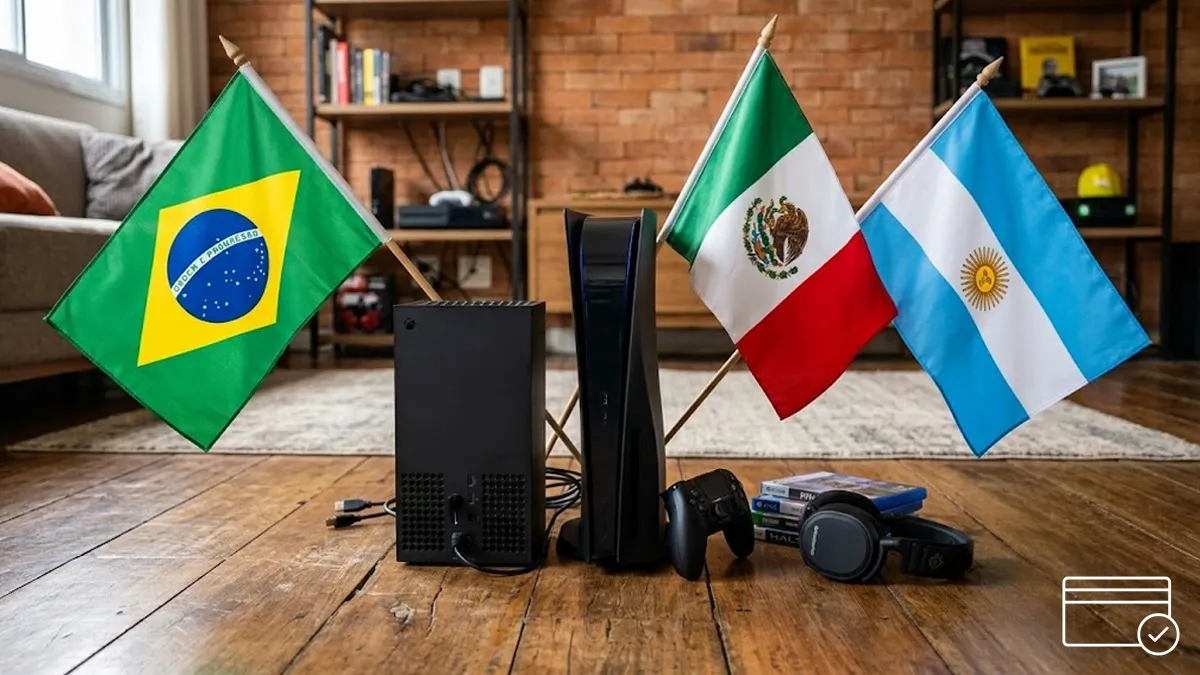
The iGaming in LATAM market continues to grow rapidly, but the regulatory landscape is far from uniform. Countries such as Brazil, Mexico, and Argentina follow different legal frameworks for online gambling, making it essential for both players and operators to understand the rules before choosing a platform.
For example, players in Brazil must comply with federal regulations, while those in Argentina are subject to the laws of the province in which they live. This difference makes it important to identify the correct regulatory authority overseeing an operator before registering or making payments.
iGaming in LATAM 2026: Brazil vs Mexico vs Argentina
| Country | Regulatory Model | Main Regulator | Popular Payment Method | Market Status |
|---|---|---|---|---|
| Brazil | Federal licensing system | Secretariat of Prizes and Gambling (SPA) | Pix, local debit cards | Fully regulated |
| Mexico | Federal law with limited online framework | Federal Government | OXXO vouchers, bank cards | Regulatory reforms pending |
| Argentina | Province-based licensing | Provincial regulators | Provincial e-wallets, bank transfers | Varies by province |
What is LATAM?
LATAM stands for Latin America, a region that includes countries in Central America, South America, and parts of the Caribbean where Spanish or Portuguese are the primary languages. In the iGaming industry, the term LATAM is commonly used to refer to fast-growing online gambling markets such as Brazil, Mexico, Argentina, Colombia, Chile, and Peru.
Brazil: A Single Federal License, Strict Enforcement
Brazil iGaming Regulations have changed significantly following the introduction of Federal Law No. 14,790/2023. The country has moved from an unregulated grey-market environment to a federally regulated gambling market.
The Secretariat of Prizes and Gambling (SPA) is responsible for issuing national licences, and each licensed operator can manage up to three brands. The transition period runs until January 2026, with strict enforcement measures already in place. Companies that fail to comply with customer verification, responsible gambling, and licensing requirements have faced enforcement action by the SPA.
As regulation becomes more structured, Brazil Online Gambling is expected to remain the largest regulated market in Latin America.
Mexico: A 1947 Law Stretched Toward 2026
Mexico Gambling Laws are still primarily based on the Federal Law on Gaming and Raffles introduced in 1947. Although the legislation does not specifically regulate online gambling, it also does not explicitly prohibit it. Instead, authorities continue to supervise gambling activities through the existing legal framework.
Regulatory reform has become a major topic because Mexico will co-host the FIFA World Cup 2026 alongside the United States and Canada. Industry stakeholders have discussed introducing comprehensive gambling legislation and establishing a National Institute of Gaming and Raffles. However, by mid-2026, no significant legislative reforms had been implemented.
In addition, proposed excise tax reforms could increase gambling tax rates from 30% to 50%, potentially encouraging more unlicensed operators instead of improving market compliance.
The future of Mexico Online Gambling will largely depend on regulatory reforms and licensing clarity.
Argentina: Twenty-Four Separate Rulebooks
Unlike Brazil, Argentina Gambling Regulations operate through provincial authorities rather than a single national regulator.
Each province establishes its own licensing framework, taxation policy, consumer protection standards, and operational requirements. As a result, Buenos Aires City and several provinces have relatively mature regulated gambling markets, while others continue to offer limited online gambling opportunities.
Reports indicate that around fourteen provinces currently permit online gambling under provincial legislation, while others mainly comply with national anti-money laundering and data protection laws. This fragmented regulatory structure means that player protection often depends more on the licensing jurisdiction than on a unified national framework.
Despite these differences, Argentina Online Gambling continues to expand as more provinces modernise their regulatory systems.
Read Also: How to Verify iGaming Licenses: MGA, UKGC, Curaçao – Step-by-Step Guide
LATAM Payment Methods
Payment preferences vary across the LATAM Online Gambling market because each jurisdiction follows different financial regulations and compliance requirements.
| Market | Common Payment Methods | Key Consideration |
|---|---|---|
| Brazil | Instant bank transfers via Pix, local debit cards | Real-time SPA reporting on transactions |
| Mexico | OXXO cash vouchers, domestic bank cards | Currency restricted to MXN under federal rules |
| Argentina | Provincial e-wallets, bank transfers | Payment methods vary according to provincial licensing |
Regulated payment channels provide transparent transaction records, making it easier to resolve delayed withdrawals, compliance reviews, or account verification issues. By contrast, offshore and unregulated payment channels may expose users to unnecessary financial risks.
Market Size and Growth Trajectory
The LATAM iGaming Market continues to expand, with Brazil leading the region due to its newly regulated market and a population of more than 200 million people with high internet penetration. The country’s regulatory reforms have created significant opportunities for licensed operators and international gaming brands.
In Argentina, the online gambling market is expected to reach approximately USD 6.6 billion by 2029, supported by an estimated annual growth rate of around 9%. However, growth continues to vary between provinces because each jurisdiction follows its own licensing and regulatory framework.
Meanwhile, estimating the size of Mexico Online Gambling remains challenging because many online operators continue to function under land-based licences rather than a dedicated online gambling framework. Future regulatory reforms could significantly reshape the country’s market potential.
Across the region, market growth is outpacing regulatory developments. For that reason, operators and players should always verify licences instead of assuming that every platform complies with local iGaming Regulations in Latin America.
Final Takeaway for Players
Anyone participating in iGaming in LATAM should always verify whether a platform holds a valid licence and identify the regulatory authority responsible for overseeing its operations. Players should also keep records of their deposits and withdrawals, as regulated payment methods provide greater protection if compliance checks or payment delays occur.
Whether you are playing in Brazil, Mexico, or Argentina, choosing a licensed operator is far more important than simply selecting a platform with attractive promotions. Understanding local regulations, payment methods, and licensing requirements can help reduce legal and financial risks.
As the LATAM iGaming Market continues to grow, regulations are expected to evolve alongside it. Staying informed about local licensing rules and compliance standards will help both players and operators make safer and more informed decisions in the rapidly expanding LATAM Online Gambling industry.
Must Read: Slots Strategy: How RTP and Volatility Actually Work in Online Slots
