

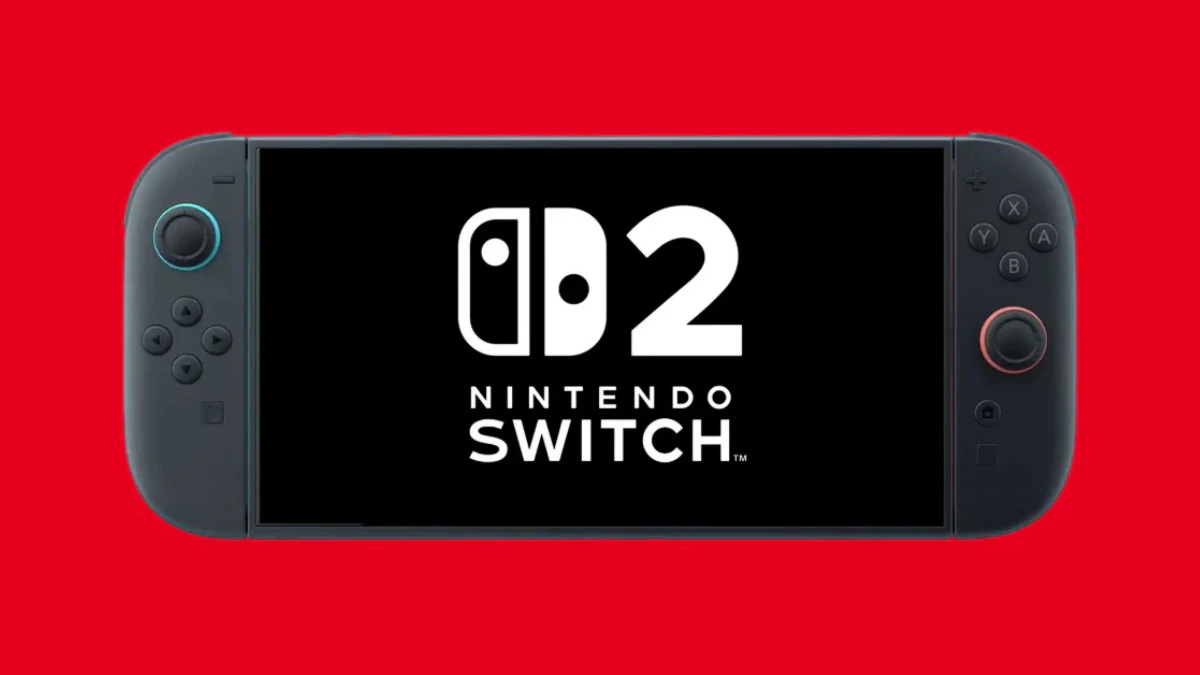
Modern handheld gaming devices like the Nintendo Switch 2 are more powerful than ever, but battery life is still one of the biggest problems players deal with. Over time, constant charging slowly wears batteries down, which eventually leads to shorter gaming sessions and weaker overall performance.
That is why Nintendo Switch 2 owners have started paying attention to a surprisingly useful feature hidden inside the console’s settings. It may not look like a major upgrade at first, but it could help the system stay healthy for much longer than many players expect.
The feature allows the Nintendo Switch 2 to stop charging before the battery reaches full capacity. Instead of constantly sitting at 100 percent, the console can limit charging to around 90 percent in order to reduce long-term battery stress.
It is the same idea already used on many modern smartphones and laptops, where protecting battery health matters more than squeezing out every last percentage point on a single charge.
Why charging your Nintendo Switch 2 to 100 percent can slowly damage batteries
A lot of people assume fully charging a device is always the best option, but batteries actually experience more strain when they stay near maximum capacity for long periods. That is especially true for portable gaming systems that are plugged in overnight or spend hours sitting on charge docks. Nintendo’s new setting is designed to reduce that stress.
Players can activate the feature by going into the Home Menu, opening “System Settings,” selecting “System,” and then enabling the “Stop Charging Around 90%” option. Once turned on, the console limits the battery charge automatically.
The downside is fairly obvious. A 90 percent charge means slightly less playtime during long gaming sessions. But many players will probably prefer sacrificing a little battery time now instead of dealing with serious battery degradation a few years later.
As handheld systems become more advanced, battery management is turning into a much bigger part of gaming hardware. Powerful screens, larger games, wireless features, and background services all put extra pressure on portable devices, making small optimisation features more important than ever.
There are also a few other ways Nintendo Switch owners can improve battery life without changing how they play too much.
Lowering screen brightness can help preserve power during long sessions, while using the dark theme slightly reduces energy usage when navigating menus. Players who are not using online features can also disable Wi-Fi or Bluetooth to prevent unnecessary battery drain.
Another habit that makes a surprisingly big difference is fully shutting down the console instead of always leaving it in sleep mode. Sleep mode is convenient, but the system still slowly drains power in the background, which explains why many players return to a dead battery after leaving their console unused for too long.
That kind of situation becomes even more frustrating when playing games that encourage long sessions. Pokémon Legends: Z-A is one recent example, with many players spending hours exploring and progressing through the game at a time.
The game itself has already received strong reactions from fans and reviewers. Early impressions praised its updated battle mechanics and the return of Mega Evolutions, with many players describing it as the continuation Pokémon X & Y should have received years ago.
But regardless of what people are playing, the bigger takeaway is how much attention companies are now giving to long-term hardware health.
The Nintendo Switch 2’s battery protection feature is not flashy, and it will not sell consoles the same way a huge exclusive game does. Still, it could quietly become one of the smartest additions Nintendo has made to its handheld systems in years.
Also Read: Port Priority DX: Melee Joins Seattle’s Massive Smash Major
