

When people talk about legendary open-world games, the same titles always come up. The Witcher 3: Wild Hunt, Elden Ring, Grand Theft Auto V, and The Legend of Zelda: Breath of the Wild completely dominate the conversation.
And honestly, they deserve the praise. But what often gets overlooked is how many genuinely brilliant open-world games disappeared into the background over the years. Some released next to bigger titles and got buried instantly. Others were simply ahead of their time and never received the attention they probably would today.
A lot of these games still hold up surprisingly well, and some even do certain things better than modern releases.
Kingdoms of Amalur: Reckoning
Kingdoms of Amalur: Reckoning had the bad luck of arriving during Skyrim mania, which meant almost every fantasy RPG released around that time got ignored.
That is unfortunate because Amalur genuinely had one of the most enjoyable combat systems in any open-world RPG from that era. Everything felt fast and fluid. Switching between weapons, magic, dodging attacks, and chaining abilities together made combat far more exciting than people expected.
The world itself was also much deeper than many gave it credit for. There was plenty of lore, faction storylines, and different regions that made the game feel far bigger than its reputation suggests.
Mercenaries: Playground of Destruction
Before open-world games became obsessed with realism and cinematic storytelling, Mercenaries: Playground of Destruction focused on one thing: pure chaos.
The game basically handed players a military sandbox and told them to have fun. You could steal vehicles, level enemy bases, call in massive airstrikes, and create destruction almost everywhere you went.
What made it memorable was how unpredictable everything felt. Missions could spiral into complete madness within seconds, and that freedom made the whole experience ridiculously entertaining.
Outcast
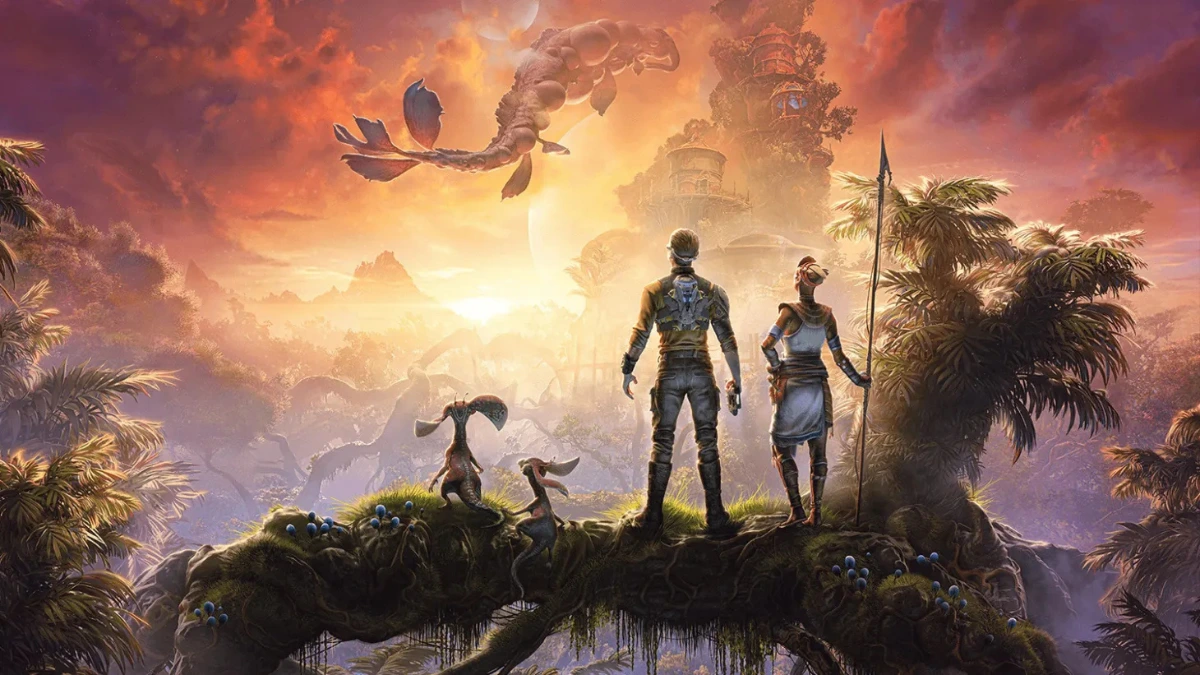
A lot of modern open-world mechanics existed long before players realised it, and Outcast is one of the best examples.
The game focused heavily on immersion rather than constantly holding the player’s hand. NPCs followed routines, environments felt believable, and exploration relied more on paying attention to the world than blindly following markers on a map.
Even now, some parts of Outcast feel strangely modern despite how old the game actually is.
The Saboteur
The Saboteur remains one of the most visually creative open-world games ever made.
Set in Nazi-occupied Paris, the game used a mostly black-and-white art style where colour slowly returned to different parts of the city as players liberated areas from enemy control. It sounds simple, but it completely changed how progression felt emotionally.
Watching the world slowly come back to life after each victory gave the game an atmosphere that very few open-world titles have managed to replicate since.
Red Faction: Guerrilla
Even today, Red Faction: Guerrilla still has some of the best destruction mechanics ever put into a game.
Buildings did not just explode with scripted animations. Structures collapsed dynamically depending on how players attacked them, which made combat feel creative in a way most shooters never achieve.
Blowing apart bridges, bringing down entire buildings, or causing absolute chaos with explosives never stopped being fun.
Risen
Risen refused to make things easy for players, and that is exactly why many RPG fans still appreciate it today. The world felt genuinely dangerous. Early enemies could destroy you if you were careless, resources were limited, and progression felt earned rather than automatic. It captured that old-school RPG feeling where survival and exploration actually mattered.
At a time when many RPGs were becoming more accessible and streamlined, Risen stayed stubbornly unforgiving and ended up becoming a cult favourite because of it.
These games may not get mentioned alongside the biggest open-world giants anymore, but each of them brought something memorable to the genre. Whether it was freedom, immersion, destruction, or atmosphere, they helped shape ideas that modern games still build on today.
And honestly, some of them deserve a second chance far more than people realise.
Also Read: World Cricket Championship 4 Beta: How To Play On Android
